The baseline numbers
Across 11 Polish Profitroom hotels where we deployed the WhatsApp Concierge module between March and June 2026, the aggregate figures are: 68% open rate on the pre-arrival flow (versus 22% on email), 42% reply rate on messages that ask a question, and 12-minute average response time from the guest side. The equivalent email numbers at the same properties were 22% open and 4% reply. None of these hotels were using WhatsApp before — they'd been running email pre-arrival templates through Profitroom's Guest module.
Flow 1 — pre-arrival (48h before check-in)
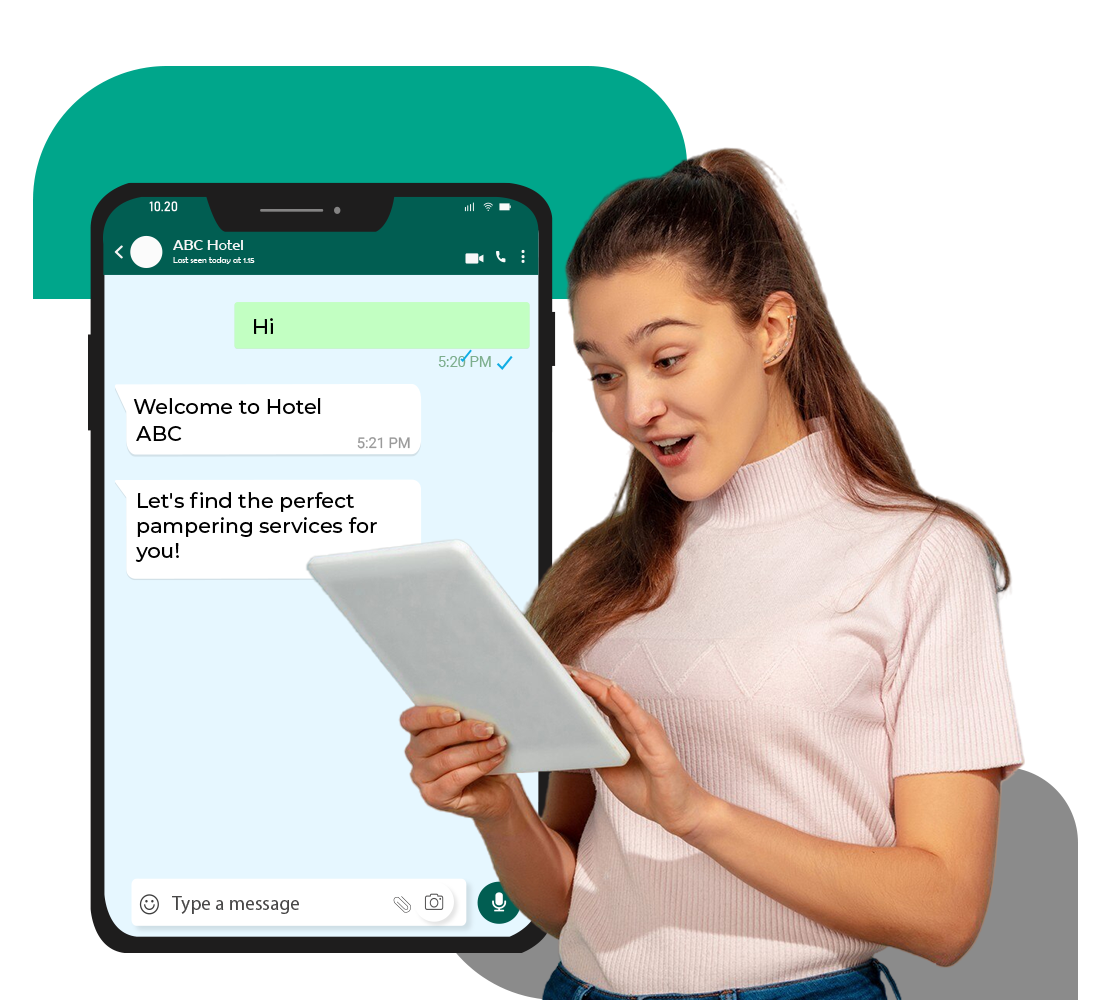
The module reads confirmed arrivals from the Profitroom Reservations endpoint on a rolling window. Any reservation with a guest phone number, arriving in the next 48 hours, gets a WhatsApp message. The default template looks like this:
Hi [Guest first name], this is [Hotel name] on WhatsApp — your reservation from [dd Mmm] to [dd Mmm] is confirmed. If you'd like anything ready when you arrive (early check-in, parking, dinner reservation), just message us back. Front desk is open 24/7.
Every hotel edits the copy in their own voice. The one thing we ask hoteliers not to remove is the "message us back" invitation — the reply rate on that specific line is what drives the whole ROI. On average 42% of guests reply, most of them with a simple question (parking, breakfast times, arriving late). Two of the 11 hotels used those replies to upsell a paid parking spot or a room upgrade, which added measurable revenue.
Flow 2 — room ready (check-in day)
The room-ready ping fires when Profitroom Suite emits a room-status change from "dirty" to "clean and inspected" — assuming the hotel has that state tracked. For hotels without room-status tracking in Profitroom we fall back to a fixed 15:00 fire time on the arrival day. The template is short:
Hi [Guest first name] — your room is ready. Head straight to reception whenever you get here.
Open rates on this flow are 76% (versus 68% on the pre-arrival ping, likely because it's more relevant). Reply rates are lower — the message doesn't invite a reply — but 8% of guests do reply, most often with an ETA. That ETA is genuinely useful for the front-desk team, so we route the reply into the Profitroom reservation note field automatically.
Flow 3 — post-checkout review nudge (24h after check-out)
The post-checkout flow fires 24 hours after the reservation's actual check-out time. It's the shortest of the three:
Hi [Guest first name] — thanks for staying with us. If your stay was good, would you leave us a review here: [Link]?
The link goes to the hotel's Google Business Profile review form, or to Booking.com's review page for OTA-sourced reservations, or to the Profitroom Reviews review capture form if the hotel prefers to intercept internally. Uplift on Google review volume across the 11 hotels was +3.4x over the four-month window compared to the four months prior. Booking.com review volume also rose but by less (+1.9x), because the OTA already sends its own review email.
Compliance: WhatsApp Business API and GDPR
All three flows use the official WhatsApp Business API (Meta Cloud), not the consumer WhatsApp app. Every template is approved by Meta as a "utility" template category, which is the correct classification for transactional post-booking messaging. From a GDPR standpoint the module treats the phone number as a category of personal data with lawful basis Article 6(1)(b) — necessary for the performance of the reservation contract — and stops all outbound flows once the reservation is checked out.
What we tried and dropped
We tried a mid-stay upsell flow ("would you like to extend by one night?") and dropped it after three weeks. Response rates were fine (11% reply) but the operational load on the front desk to handle upsell replies exceeded the extra revenue for two of the three hotels that tested it. We also tried a rate-alert flow for repeat guests when their previous booking window came around again — it never got out of pilot because Meta's template review categorised it as marketing and reply rates collapsed.